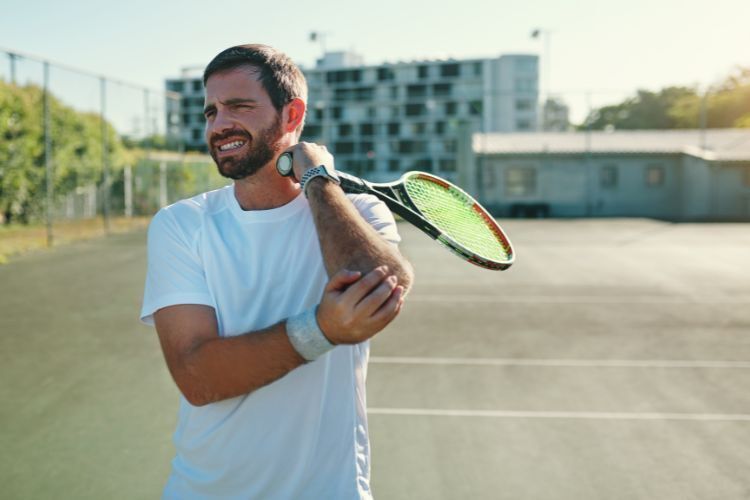
If you've been struggling to lift a coffee mug, shake someone's hand, or type without a sharp ache radiating through your forearm, you already know how disruptive tennis elbow can be. It's one of those injuries that starts as a minor nuisance and slowly takes over your day. The good news is that tennis elbow treatment doesn't have to mean surgery, cortisone injections, or months of guessing games. Chiropractic care offers a hands-on, natural path to recovery that targets the actual problem rather than just masking the pain.
At Twin Tiers Chiropractic & Wellness, this is exactly the kind of condition we help people work through every day.
What Is Tennis Elbow, and Who Gets It?
Tennis elbow, known medically as lateral epicondylitis, is an overuse injury that causes pain and tenderness on the outer side of the elbow. Despite the name, you don't have to play tennis to develop it. In fact, most people who come in with tennis elbow symptoms have never picked up a racket.
The condition is extremely common among office workers, tradespeople, musicians, cooks, and anyone whose daily routine involves repetitive gripping, twisting, or wrist extension. Painters, carpenters, and even frequent keyboard users are all susceptible.
What happens at the tissue level is this: repeated stress causes small tears to form in the tendons that attach the forearm muscles to the bony prominence on the outside of the elbow, the lateral epicondyle. Over time, those tiny tears accumulate faster than the body can repair them, leading to chronic inflammation, stiffness, and weakness.
Recognizing Tennis Elbow Symptoms
Knowing what to look for is the first step toward getting the right care. Tennis elbow symptoms typically develop gradually and tend to worsen without treatment. The most common signs include:
- A burning or aching pain on the outside of the elbow that may radiate down the forearm
- Weakness in the hand and wrist, especially when gripping objects
- Pain that flares when lifting, twisting a doorknob, or using a computer mouse
- Morning stiffness around the elbow joint
- Tenderness when pressing on the outer elbow
Symptoms are often worst when the affected arm is in use, though some people experience discomfort even at rest as the condition progresses.
What Causes Tennis Elbow?
Understanding what causes tennis elbow helps explain why it can be so persistent. The core issue is repetitive mechanical stress that outpaces the body's recovery capacity. When the same forearm muscles and tendons are loaded repeatedly without adequate rest, the cumulative strain leads to tendon degeneration rather than true inflammation in the traditional sense.
This is also why rest alone often isn't enough. Simply stopping the aggravating activity can reduce acute pain, but if the underlying movement patterns, joint mechanics, or muscle imbalances aren't corrected, the injury tends to return once activity resumes.
Common contributing factors include poor ergonomics at a workstation, gripping tools too tightly, weakness in the shoulder or wrist muscles that shifts excess load to the elbow, and improper technique during sports or physical tasks.
How Chiropractic Care Addresses Tennis Elbow Treatment
Chiropractic care is well suited to tennis elbow treatment because it looks at the whole picture rather than focusing only on the painful spot. A thorough assessment at Twin Tiers Chiropractic & Wellness will evaluate not just the elbow itself but also the wrist, shoulder, and cervical spine, because dysfunction in any of these areas can contribute to elbow pain or slow down recovery.
Depending on your presentation, treatment may include:
Joint adjustments. The elbow, wrist, and sometimes the neck and upper back can all develop restricted movement that places additional stress on the lateral epicondyle. Gentle chiropractic adjustments help restore proper joint mechanics and reduce compensatory strain.
Soft tissue therapy. Techniques such as myofascial release and instrument-assisted soft tissue mobilization work directly on the affected tendons and surrounding muscles. These approaches help break down scar tissue, improve circulation, and stimulate the healing process in chronically stressed tissue.
Therapeutic exercises. Specific tennis elbow exercises are a critical part of recovery. Eccentric loading exercises, in particular, have a strong evidence base for tendon rehabilitation. Your care plan will include guided exercises for lateral epicondylitis that progressively load the tendon in a controlled way, rebuilding strength and resilience without aggravating the injury.
Ergonomic and activity guidance. Understanding how to modify the activities that provoked the injury is essential. This might involve adjustments to workstation setup, grip technique, or activity pacing so that healing can happen without constant re-aggravation.
How to Treat Tennis Elbow: What to Expect at Twin Tiers
If you're wondering how to treat tennis elbow effectively, the answer is rarely a single technique applied in isolation. Tendon injuries respond best to a consistent, graduated approach over several weeks. The first appointments focus on reducing pain and improving joint mobility. As symptoms settle, the emphasis shifts to loading the tendon progressively through targeted exercises and gradually reintroducing the activities you've been avoiding.
Most people begin noticing meaningful improvement within a few weeks of consistent care. Full recovery timelines vary depending on how long the condition has been present and how severe the tendon changes are, but the goal is always to get you back to your normal activities without relying on pain medication or pursuing more invasive options.
Why Chiropractic Is Worth Considering Before Other Options
Many people with tennis elbow symptoms try anti-inflammatory medication or a cortisone injection as a first step. These approaches can reduce pain in the short term, but they don't address the underlying tendon degeneration or the movement patterns that caused it. Cortisone in particular has been shown to provide short-term relief but may actually slow long-term tendon healing with repeated use.
Chiropractic care, by contrast, works with the body's natural healing processes. It's non-invasive, drug-free, and focused on building genuine tissue resilience rather than suppressing symptoms. For many patients in the Hornell area, it's also what finally gets them lasting results after other approaches have fallen short.
Ready to Stop Managing and Start Healing?
Tennis elbow can feel like a condition that's just part of life when you've been dealing with it for a long time. But persistent elbow pain isn't something you have to accept. With the right care plan, most people can recover fully and return to the activities they enjoy.
If you're ready to find out whether chiropractic care is the right fit for your situation, Twin Tiers Chiropractic & Wellness is here to help. Reach out to our Hornell office to schedule a consultation, and let's figure out a path to recovery that actually works for you.